THCA Liquid Diamonds: What They Are and How They Differ from Regular Diamonds
“Diamonds” is one of those cannabis terms that sounds straightforward until you look closely. In most conversations, people mean a crystalline THCA concentrate that’s marketed for its potency and flavor. But “liquid diamonds” adds a twist: it’s not just about what grows into crystals, it’s also about what stays liquid around them, how the mixture is made, and what that means for flavor, texture, and how the product behaves when you load it into a device or handle it at home.
If you’ve been shopping for thca diamonds, thca liquid diamonds, or simply trying to understand what you’re paying for when you see “diamonds thca” on a menu, this guide is meant to cut through the marketing fog. I’ll explain what THCA diamonds and THCA liquid diamonds are, how they differ from “regular diamonds,” and what to look for if you’re comparing thca diamonds for sale, thca diamonds for sale online, or thca diamonds near me listings.
What “THCA diamonds” actually are
THCA diamonds are high-purity crystalline forms of THCA, short for tetrahydrocannabinolic acid. “THCA” is the non-intoxicating (or at least less directly intoxicating) precursor form that’s abundant in the raw cannabis plant. When THCA is heated, it decarboxylates, converting into THC. That conversion is where the “effect” comes from.
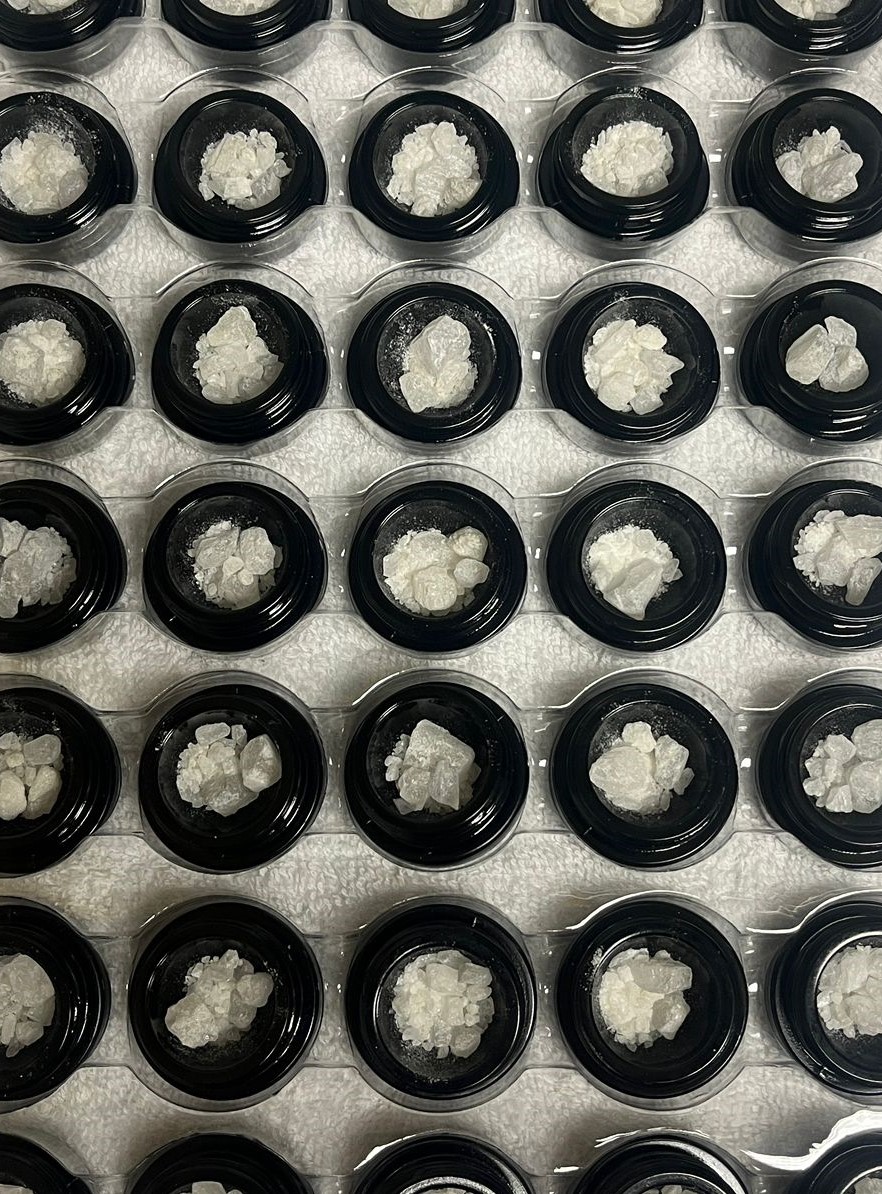
The diamond part matters. Crystals form when THCA is purified and allowed to separate into a crystalline phase. Depending on the process, you get a product that looks like translucent to amber shards, clear chunks, or fine crystals. Many people like diamonds because the texture feels premium, the concentrate can be visually striking, and the concentrate often tests extremely high for THCA (and, by the time it’s decarboxylated through use, it behaves like very strong THC).
One caution that comes up again and again in real-world use is that potency is only half the story. Flavor, viscosity, and how evenly a concentrate vaporizes can matter as much as the lab number. Two products can both be “diamond” concentrates on a label, but the experience can be wildly different.
So what are THCA liquid diamonds?
THCA liquid diamonds are a blend where THCA diamonds exist, but they’re suspended or mixed into a liquid fraction rather than being sold as a mostly dry, crumbly crystal.
Think of it like this: “regular” diamonds are typically the crystalline phase you can pick up and crumble. “Liquid diamonds” include that crystalline phase too, but the manufacturer retains more of the surrounding terpene-rich oil and solvent-residue-free liquid carrier that keeps the crystals more integrated into a smoother matrix.
That liquid fraction is usually where a lot of the practical differences show up.
In the jar, liquid diamonds often look thicker and more glossy than dry diamonds. When you move them, they can smear rather than flake. When you scoop them, the portion may pull into a layered mix of crystals and oil. The “diamond” identity still comes from the THCA crystal content, but the handling and performance can resemble a high-viscosity sauce more than a hard sugar-like solid.
Why the same plant chemistry can feel different
Even if two products contain similar THCA percentages on paper, the fraction that remains liquid can affect:
- how the concentrate spreads across a coil or wick,
- how quickly it heats and releases terpenes,
- how efficiently it combusts or vaporizes at your chosen temperature,
- and how likely it is to clog or flood a device.
In practice, that’s why some people say liquid diamonds taste “lusher” or feel “smoother.” Others prefer dry diamonds because they pack in a more predictable way. Neither preference is inherently wrong. It’s about matching the product to your method.
Regular diamonds versus liquid diamonds: the real-world differences
When people say “regular diamonds,” they’re usually pointing to the more crystalline, less oily version. Sometimes this product is sold as diamond concentrate, diamond sauce, or crystal-heavy extract where the liquid portion is lower or separated.
Liquid diamonds, by contrast, keep more of the liquid phase in the mix.
Here’s what tends to change, and why it matters:
Texture and scoop behavior
Dryer diamond concentrates tend to break apart into shards or crumbs. You can portion them like you would a very strong cooking ingredient, small amounts at a time.
Liquid diamonds can act more like a spreadable paste. The crystals still exist, but the oil phase makes it harder to measure with “grain by grain” precision unless you’re using consistent tools and technique.
That sounds minor, but in daily use, it’s a difference between “I pinch a little and it stays put” and “I need to scrape and stir to get the same ratio each time.”
Heating behavior and device performance
Most people don’t experiment with concentrates in a lab, they experiment on hardware. A coil, a ceramic rod, a quartz bucket, a terp vape cartridge system, a dab rig, even a heated insert can all respond differently to how much liquid is present.
More liquid fraction often means:
- faster wetting of the heating element,
- potentially stronger initial flavor release,
- and a higher chance of flooding or residue if the device runs too hot or if you load too much.
Dry diamonds can heat differently because crystals may require a little more time to fully dissolve and distribute. On some setups, that can reduce the “runny” behavior, but it can also lead to uneven vapor if the load is too large.
Flavor and terpene expression (without promising outcomes)
Terpenes are carried in the oil phase. When liquid diamonds include more of that oil, you may experience more pronounced aromatics, especially early in the hit. However, product consistency is everything. Two vendors might both call their extract “liquid diamonds,” but one might have a thicker, more aromatic liquid phase and another might be more muted depending on starting material, post-processing, and whether terpenes were reintroduced.
That’s why “best thca diamonds” depends on what you actually care about. Some buyers prioritize maximum crystal purity. Others prioritize flavor character, smoothness, or a specific mouthfeel.
A note on terpene and consistency standards
It’s tempting to assume that “more liquid” always means better flavor. I’ve seen the opposite too, especially when the liquid fraction is thicker and less terpene-forward. Sometimes the liquid phase is simply more of the non-crystalline oil fraction, not necessarily more aromatics.
So rather than equating liquid diamonds with guaranteed flavor superiority, a better mindset is this: liquid diamonds change the way the extract behaves, and that can influence flavor delivery.
What changes after decarboxylation and use
THCA itself is not the same thing as THC in terms of how your body processes it. But for the consumer experience, what matters is what the concentrate becomes when heated.
When you dab diamonds or vaporize liquid diamonds, THCA converts to THC during heating. That conversion happens quickly enough in typical use scenarios that most users experience the product as “high THC.” In other words, whether it started as dry crystals or liquid matrix, the heat brings about the active cannabinoid form.
So what’s left to distinguish them? The “how” of heating. Faster release can mean a hotter, more immediate hit. Slower dissolution can mean steadier vapor. A more oily mix can leave different residue and can affect cleanup.
If you’ve ever cleaned a banger or atomizer and noticed wildly different residue levels between two concentrates, you’ve already seen how this plays out.
How producers make diamond products, and where liquid diamonds fit
I can’t walk you through anyone’s exact proprietary steps, and not every brand uses the same method. But conceptually, diamond production relies on separating THCA crystals from a mixture where THCA is soluble.
In many workflows, the manufacturer creates a concentrated extract, then uses conditions that encourage THCA to crystallize out. After that, products can be further refined or separated.
“Regular” diamonds often represent the more isolated crystalline fraction. “Liquid diamonds” generally indicate that the producer either:
- retains more of the mother liquor (the liquid fraction left behind after crystallization),
- or blends the crystalline material back into a controlled oil phase,
- or uses a formulation approach that keeps crystals suspended for a particular viscosity and mouthfeel.
The practical takeaway is simple: liquid diamonds are not just “diamonds plus extra.” They are a product category defined by how much liquid remains with the crystal fraction and how it’s blended or handled after crystallization.
Choosing between thca diamonds and thca liquid diamonds
Your best choice depends on your setup and your tolerance for mess, clogging risk, and temperature sensitivity.
If you mostly use a dab rig with bangers and you like micro-dosing, dry diamonds can be easier to portion. If you use a more closed system that’s sensitive to viscosity, liquid diamonds can either be a dream or a disaster depending on how thick the oil is and how the crystals behave at your device’s operating range.
If you want an “easier scooping” experience and a more sauce-like texture, liquid diamonds can feel more user-friendly. If you’re chasing maximum crystalline purity and a drier, more controlled burn, regular diamonds may be the better fit.
A quick comparison that matches how people actually use them
- Texture: regular diamonds are more crumbly and crystal-forward, while thca liquid diamonds are smoother and often glossy.
- Handling: liquid diamonds can smear, making portioning feel less precise without consistent tools.
- Vapor behavior: the liquid fraction can wet coils more quickly, which can increase flavor release but may raise clogging risk for some devices.
- Residue and cleanup: oil-heavy mixes can leave different residue profiles, so expect different cleaning routines.
Those differences are why online shoppers searching for thca diamonds for sale online sometimes find that the “strongest” option on paper is not always the “best” option for their exact method.
Where to buy and what to look for on listings
If you’re searching for thca diamonds near me or thca diamonds for sale, you’ll see a mix of storefronts, brands, and third-party sellers. The biggest quality signal is not the name. It’s the transparency behind the batch.
A legitimate listing should ideally include lab results from a third-party testing facility. You’re looking for consistency, not perfection, and you’re looking at more than just the headline cannabinoid number.
If you’re shopping for diamonds thca or thca diamonds for sale online, here are the practical signals I pay attention to before I buy:
- Batch-specific COAs: confirm the label number and date match the exact product you’re purchasing.
- Cannabinoid breakdown: see THCA levels and any notes on residual THC, since “high THCA” products still behave like THC when heated.
- Terpene or flavor info (if provided): pay attention to whether terpenes are listed or if the brand claims “live” or “strain-specific,” then verify what tests show.
- Extraction and solvent notes: reputable brands explain processes at a level that makes sense for safety and quality, not vague claims.
- Return or troubleshooting policy: if a brand sells multiple textures (dry diamonds, liquid diamonds, sauce), they should stand behind consistency.
Notice what’s not on the checklist. I’m not asking you to chase a specific magic THCA number beyond what the product is designed to deliver. I’m focusing on matching product reality to what you can verify.
Common misunderstandings (and how to avoid them)
“Liquid diamonds are weaker than diamonds”
Not necessarily. Liquid diamonds can still be extremely potent when THCA converts during heating. The liquid phase is about formulation and handling, not a built-in potency limit.
If a listing provides THCA or THC-A percentages, compare those directly across products rather than assuming texture predicts strength.
“The best thca diamonds are always the ones with the most crystals”
Crystals are only one part of the story. Too many crystals with too little compatible liquid can sometimes lead to uneven heating, especially in certain devices. Meanwhile, a liquid-rich mix can deliver more consistent vapor distribution, even if it’s not the driest.
Your best match depends on how you use it.
“Everything will taste the same”
Even within the same brand, strain origin, starting material quality, post-processing, and how much oil fraction was retained can change flavor. If you buy thca liquid diamonds repeatedly hoping they taste identical to a past batch, you may be disappointed unless the brand is very consistent batch to batch.
A small change in terpene fraction can be noticeable, especially if you’re sensitive to flavor nuances.
Temperature and technique: how to get better results
Even though your concentrate is the product, your technique controls a lot. With diamonds and liquid diamonds, overheating is a frequent reason people complain about harshness or burnt notes.
If you’re dabbing, start with a lower-to-moderate heat approach and adjust based on how quickly the concentrate liquefies and how your banger looks as it cools. If you’re using a more controlled vapor device, follow the manufacturer’s temperature and loading guidance first, then treat liquid diamonds as “more flowy,” meaning you may need less than you expect.
Here’s a realistic scenario I’ve seen in homes and workshops: someone buys a jar labeled as liquid diamonds, loads what they used for dry diamonds, then complains about clogging. The issue is usually the load amount and how quickly the oil phase moves through the system.
The fix is usually smaller loads and patience, not a different brand. That’s why reading actual usage notes on product pages and watching how the brand describes viscosity can help.
Edge cases: when liquid diamonds might not be ideal
Liquid diamonds can be great, but a few situations can make them less ideal.
If your device has a very narrow airflow path or is known to clog with thick concentrates, liquid diamonds may behave differently than dry crystals. If your rig or insert is set up for low-volume dabs and you tend to take larger, slower hits, the extra oil fraction can increase residue buildup faster than you expect.
Also, if you store the product in a warm place or expose it to large temperature swings, some concentrates can change texture over time. Crystals can re-distribute within the oil fraction. That might not ruin the product, but it can change how it scoops and spreads.
If you’re trying to choose between diamonds thca and thca liquid diamonds and you’re unsure, it can help to buy a smaller quantity first, especially when you’re buying thca diamonds for sale online from a new vendor.
Why people love “diamond” products at all
Beyond the technical discount thca diamonds for sale online differences, there’s a reason diamonds dominate certain conversations. They offer:
- a visually dense concentrate with a crystalline look,
- a reputation for strong effects,
- and a straightforward, portionable format for many dab users.
Liquid diamonds keep that identity while making the product easier to handle for some people. They can also feel more consistent for users who don’t want to crumble crystals every time.
In other words, it’s not only chemistry, it’s convenience and predictability. Some customers want a hard, dry shard they can control. Others want a thick sauce that moves with a scoop.
Both are valid. The best thca diamonds category is the one that fits your life, your device, and your tolerance for cleanup.
Final thoughts on “best” thca diamonds
“Best” depends on your definition of value. If your goal is maximum crystalline presence and you prefer dry, controlled dabs, regular thca diamonds will often feel right. If you want smoother handling and a concentrate that behaves more like a terpene-rich oil matrix, thca liquid diamonds can be the better experience.
If you’re comparing options like thca diamonds for sale, thca diamonds near me, or thca diamonds for sale online, don’t only chase the biggest number on the label. Compare the product form, look for batch-specific COAs, and think about how your heating method interacts with oil versus crystals.
That’s the difference between shopping like a spec sheet and shopping like someone who actually dabs.
If you want, tell me how you plan to use them, dab rig versus vape cartridge versus something else, and whether you care most about flavor or ease of use. I can suggest what product form usually performs best for that setup.